Technological progress has merely provided us with more efficient means for going backwards.
Aldous Huxley, Ends and Means
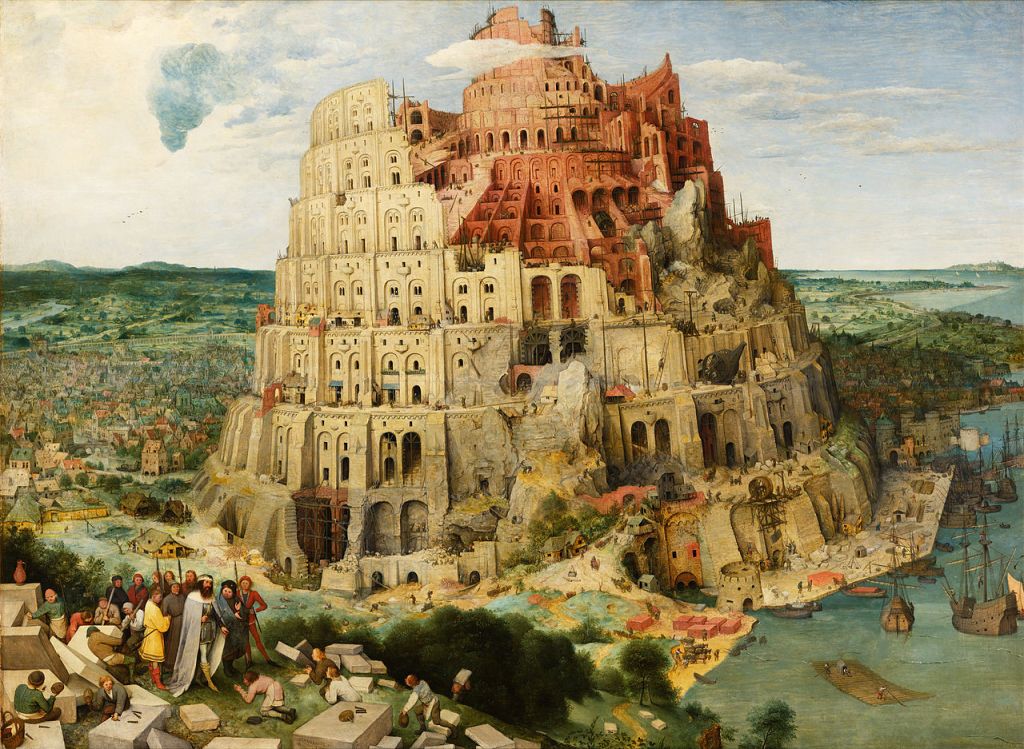
The effects of social media currently ripple unchecked throughout most aspects of our modern lives. These once minor disturbances have produced substantial waves that have eroded the foundations of our education system at all levels. Pundits of the limited constructive facets of social media, equate these platforms as the modern parallel for the printing press. These researchers point to these various platforms ability to offer the average person a means of information sharing and digital collaboration with persons across the globe. While social media does enable both of those tasks, it also has produced some significant negative externalities concerning social behaviours and has enabled imprudently hasty assessments formulated upon limited amounts of information, which merely signal a person’s cheaply begotten virtues.

Furthermore, the printing press argument employed by social media’s advocates commit the sin of omission. It is true that the printing press did have similar grumbles, yet the nature of those complaints was fundamentally different. Those who decried the invention of the printing press wished to maintain their monopoly on the written word in order to create a priest class that were divinely predisposed to the acquisition of knowledge, and only through a formal institutional process, usually administered by acolytes of the Roman Catholic Church, were they able to transmit that knowledge to the ignorant masses. As one can discern from this dichotomy, the capacity to dispense knowledge in a finite number of handwritten books also bring with it the power to control which ideas are allowed to be disseminated.
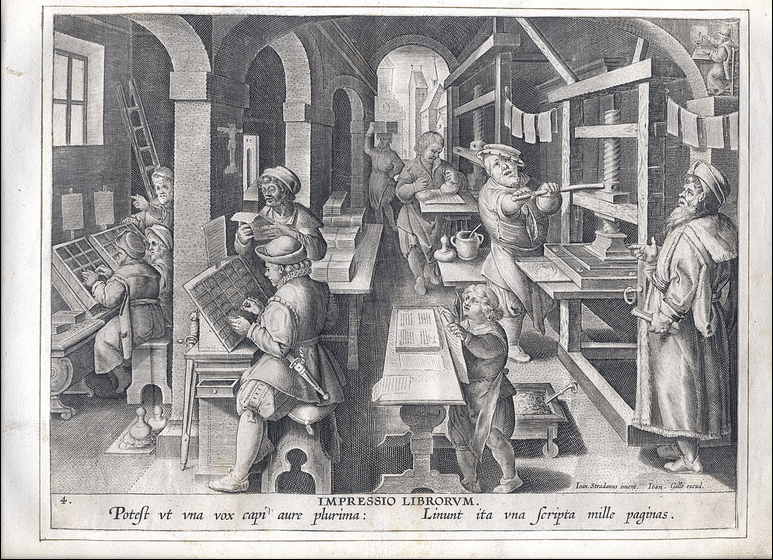
It was only through the courageously imprudent actions of humble men like the miller Menocchio, who taught himself to read and then haphazardly attempted to engage with the ideas contained within those books does one observe a profound rebirth in the behaviours of the common man towards the acquisition of knowledge during the Renaissance. Naturally, such conduct was a dangerous affair in the age of the inquisition. Menocchio’s thirst for knowledge and passion for publicly debating those ideas eventually land him in prison for committing the crime of heresy. Upon release, three years later, Menocchio could not resist the allure to acquire knowledge and debate those ideas. Once he found himself back in front of an inquisition, this time the Church had this man of boundless curiosity burnt at the stake.
Despite Menocchio’s rashness, he understood the power of books and the printing press to wrestle knowledge from the hands of the elites. Thankfully, through the power of the printing press, Menocchio’s court documents survived him. By reading his words, one can hear the voice of a simple man incensed by the injustices of his age. Menocchio railed against the elites who arbitrarily controlled the access to knowledge and placed strict limits on the debate of ideas by banning certain books. Indeed, a modern student of the Enlightenment can hear within Menocchio’s impassioned arguments the embers of a flame of dissent that would ignite a raging torrent of fire, which would lead to the sundering of the Western Christian World (Eisenstein, 1979, & Ginzburg, 1989).
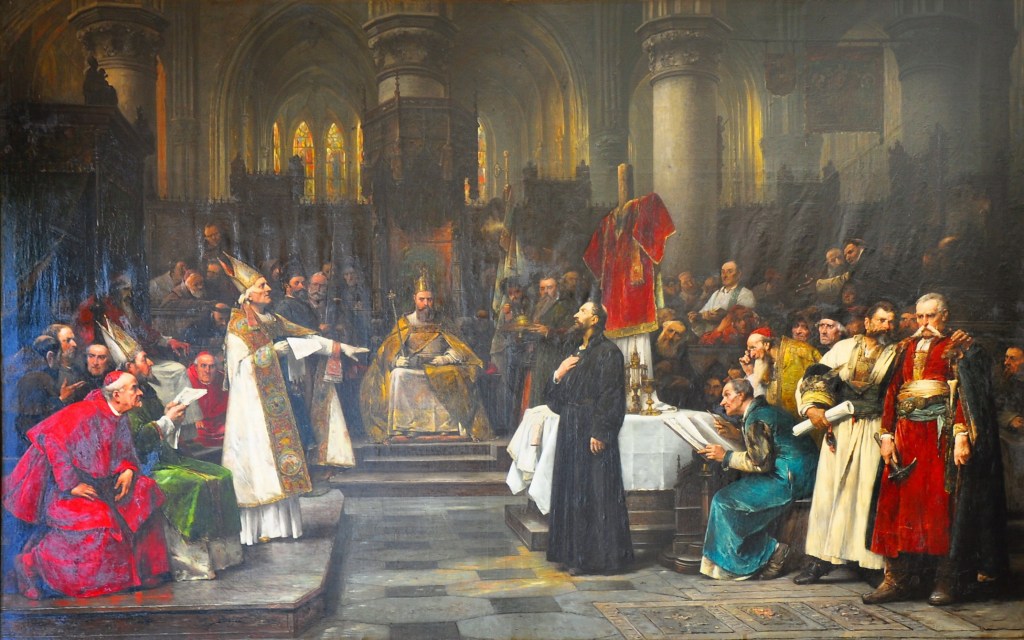
As one can observe from this brief historical interlude on the printing press, the arguments against this vital technological innovation were not to promote the diffusion of knowledge. On the contrary, elites, both temporal and spiritual, attempted to dominate the spread the of ideas to preserve their own earthly status. Moreover, these elites dictated what ideas could be studied and debated. Of course, on the surface, this is not the circumstances surrounding social media platforms. Indeed, these platforms are very different in that it gives a stage to anyone to provide their opinion no matter how ill-informed the person might be to the true nature of a given argument or circumstance. Meaning modern users of social media are not completely ignorant serfs, who have scrounged their limited resources to acquire a book that contains forbidden knowledge. The distinction between the two situations is crucial to the debate raging around the proper function of social media and its clearly defined negative externalities.

With these points in mind, one needs to recognise the goods of these digital platforms, while also highlighting the potentially negative facets if moderation is not judiciously applied:
In Pursuit of the Good:
- Social media encourages rich and diverse amounts of collaboration between individuals from across the globe. Considering the fact that no one has a monopoly on good ideas, these various platforms enables individuals to interact with each other to create positive outcomes on an almost unlimited number of fronts. Most notability, for education, is to have students engage with other students or teachers from diverse nations to tackle a problem or debate ideas. Lastly, social media promotes collaboration within professional networks that share knowledge or allows students to connect with a global web of teachers to seek out information (Burbules, 2016).
- Social media also has the ability to enhance and foster learning by permitting the ardent seeker of truth access to a vast amount of information on an array of different media platforms. From digital books, history blogs, to video lectures, we are truly living in the age of instant access to knowledge. Regrettably, that trend is changing with Google and other search engines flagrant suppression of ideas/content that they deem to be politically incorrect (Rectenwald, 2019).
- Instant access to information is meaningless if there are questionable gatekeepers that restrict one’s ability to seek the truth. In the near future, we might witness a return of an era when some sort of self-appointed priest class limits access to information. Despite the troubling shift towards censorship and the centralisation of information into subscription databases, these types of media, currently, enable students to view the world from a global perspective. These experiences refine their thought patterns on a more profound level, which in turn enables them to think more independently about complex ideas.
The Objectionable:
- Social media has the very real potential to become an addictive and habitual distraction for those who do not moderate their use of these tools. Moreover, social branding and promotion are inherently linked to our internal self-image, which has several implications upon one’s use of these platforms, which are too nuanced to address in this blog. With that said, one should do diligence and conduct one’s own research (Burbules, 2016).
- We have also witnessed the family at dinner with wee wains running amuck, all the while, the parents are oblivious to the chaos that surrounds them. Such distractions are socially unpleasant. Nevertheless, these same inclinations have a more lethal note; how many instances of near-death experiences does one have to encounter to arrive at the realisation that the instant access to information is not a prudent concept to engaged in while operating heavy machinery? Distracted driving is now the leading cause of death among of U.S. drivers (Distracted Driving, 2020).
- Social media has also encouraged the promulgation of the indolent use of language to satisfy the constraints that these platforms impose upon the debate of ideas. Extreme brevity siphons off the exchange of ideas and deprives those ideas of their rich contextual nuances. Perhaps we all need remember State.com’s prudent video “You are what you share”. Is all that comprises our individual nature merely a series of self-directed moments in time that shallowly attempt to “Keep up with the Joneses?” Such elucidations are the purview of the engaged mind.
- Lastly, if the trends in unrestrained information continues, as many pundits boorishly prognosticate, then information will inherently be accessible to the average person at any given moment. While that seems like a congruent scenario, the ability to search for information does not equate to recallable knowledge. Could you envision the humours portrait of the multiple sides of a debate patiently waiting for their Internet browser to upload their side of a given argument, then the supporters busily attempting to duplicate those points to their rivals? Despite the comedy, such notions do not have a substitute for the zealous study of the opposing side’s argument, which equates to a person gaining little from the reflexive defense of “their side.”
The Iniquitous:
- The immoral implications of this instant access to information culture and the ability to upload that data to a vast array of publically accessed platforms are too significant for one blog to prudently address. Nevertheless, one can already observe that these platforms are being used as staging grounds for malicious rumours to attack opponents from a position of perceived anonymity in order to sway the ill-informed caprices of the majority to support one faction/idea over another. Moreover, these type of perceived minor conquests over our rivals creates a sense of instant gratification and overall superiority that feeds a dangerous desire within humanity; especially in the field of education.
- Accordingly, social medial facilitates, our innate desire to ad hominem attack our rivals person on the basis of superficial characteristics that they were born with (gender, ethnicity, and sexuality) in conjunction with attacking a person’s cultural conditions (religion, perceived education level, and occupation) rather than the merits of their ideas by hiding behind the illusion of anonymity in the form of “trolling.” Sadly, these persons fail to understand all of these actions leave digital footprints, which acts as a real-time indicator of who we actually are (Burbules, 2016, & Friedman, 2018).
- In an educational setting, these immoral digital actives can shatter a young person’s life in the form of digital social shaming, cyberbullying, and sexual harassment that can manifest itself in various forms. These digital activities often lead to social ostracisation that drives a person to commit suicide. Consequently, an increase in suicides had been observed in adolescent populations, as well as adults (Memon et al., 2018, & Sedgwick, et al. 2019). Additionally, young people fail to understand that their digital actions have real-world consequences. Instances of young people goading fellow students to commit suicide or mass murder are becoming frequent occurrences within our schools. These trends closely follow (correlation, not causation in many cases) the rise of social media and are troubling indicators that have significant social implications that we have yet to fully comprehend (Suicide Statistics, 2019, & Secret Service, 2019).
- These misconceptions also manifest themselves in the notion that a person may believe that they are sharing their opinions in a constructive way, but in reality, are merely creating the impression of advancing an argument through ad hominem rhetoric or by silencing speech they deem to be hateful. Indeed, the lack of toleration of opposing ideas has increased with the use of social media, which has lead to student movements to ban certain speech, trigger warnings, and the creation of “safe spaces” where people only allow ideas they deem are emotionally comfortable on campuses across the nation (Burbules, 2016, & Lukianoff & Haidt, 2019). Such trends are disturbing to the judicious teacher because the debate of ideas is an essential element of education.
- Closely, tied to the above-mentioned phenomenon is the use of social media to self promote and gain public recognition of the users through perceived or ill-conceived popular notions of virtue. These dependent people construct their entire lives around the amount of social credit they think they are achieving from their online persona and their perceived digital activities that signal certain ideas or virtues that they wish to display or blindly emulate. These type of online behaviours leads to media content that is aimed at amplifying a person’s likes or sharing by other users in order to achieve some fleeting sense of moral superiority in a given situation (Burbules, 2016).
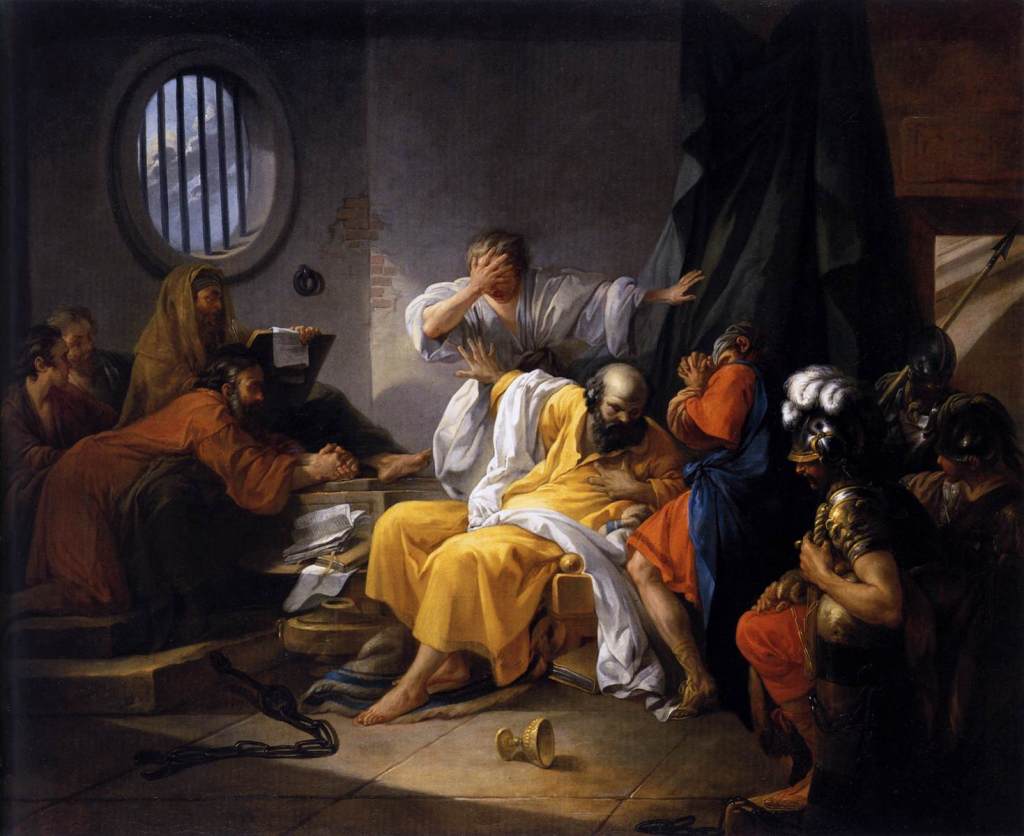
From these succinct arguments, the prudent reader can glean that ideas that one’s moral compass or guiding philosophies must serve as a personal guide through the vast social and moral pitfalls that are associated with the use of social media. Moreover, this type of media has boundless benefits for society in regards to collaboration and to augment learning in a variety of positive ways. However, there are very real and distressing negative externalities associated with the widespread use of these platforms that we have only begun to comprehend. It is regrettable, that social morality always lags behind technology, which Plato’s “Phaedrus” reminds us that access to vast amounts of information does not, by itself, grant the user the wisdom to comprehend that information on a profound level (Plato, 1997). Lastly, this belief rumination has only scratched the surface of these complex issues and, as always, the author encourages the reader to conduct their own investigation of the ideas advanced in this blog.
References:
Burbules, N. C. (2016, September 24). How We Use and Are Used by Social Media in Education. Retrieved from https://experts.illinois.edu/en/publications/how-we-use-and-are-used-by-social-media-in-education
Distracted Driving, National Highway Traffic Safety Administration. (2020, January 31). Retrieved from https://www.nhtsa.gov/risky-driving/distracted-driving
Eisenstein, E. L. (1979). The Printing press as an agent of change: Communications and cultural transformation. Cambridge, UK: Cambridge University Press.
Ginzburg, C. (1989). The cheese and the worms: The cosmos of a sixteenth-century miller. Toronto, CA: Dorset Press.
Friedman, B. (2018). Unwarranted: policing without permission. New York, NY: Farrar, Straus & Giroux.
Lukianoff, G., & Haidt, J. (2019). The coddling of the American mind: how good intentions and bad ideas are setting up a generation for failure. New York , NY: Penguin Books.
Memon, A. M., Sharma, S. G., Mohite, S. S., & Jain, S. (2018). The role of online social networking on deliberate self-harm and suicidality in adolescents: A systematized review of literature. Retrieved from https://www.ncbi.nlm.nih.gov/pmc/articles/PMC6278213/
Plato. (1997). Plato complete works. (J. M. Cooper & D. S. Hutchinson, Eds.). Indianapolis, IN: Hackett Publishing .
Protecting America’s Schools: A U.S. Secret Service Analysis of Targeted School Violence. (2019). Retrieved from https://www.secretservice.gov/protection/ntac/
Rectenwald, M. (2019). Google archipelago: the digital gulag and the simulation of freedom. Nashville, TN: New English Review Press.
Sedgwick, R., Epstein, S., Dutta, R., & Ougrin, D. (2019, November). Social media, internet use and suicide attempts in adolescents. Retrieved from https://journals.lww.com/co-psychiatry/Fulltext/2019/11000/Social_media,_internet_use_and_suicide_attempts_in.12.aspx
Suicide Statistics. (2019, April 16). Retrieved from https://afsp.org/about-suicide/suicide-statistics/
 Tempestuous Seas of Liberty